
fauxstalgia: A teenagers take on the sankey photography archive
Lola Marriott
May 2026
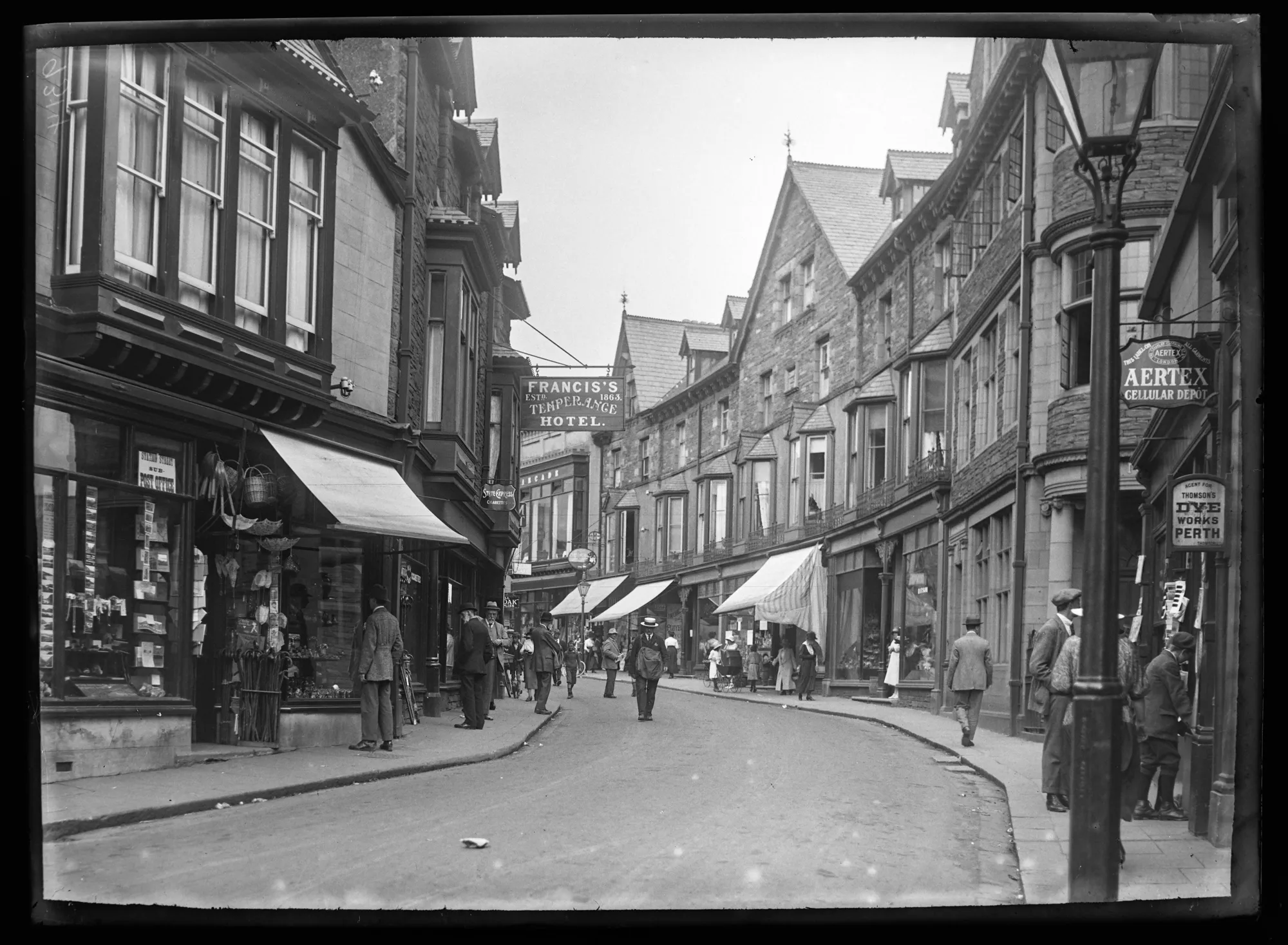
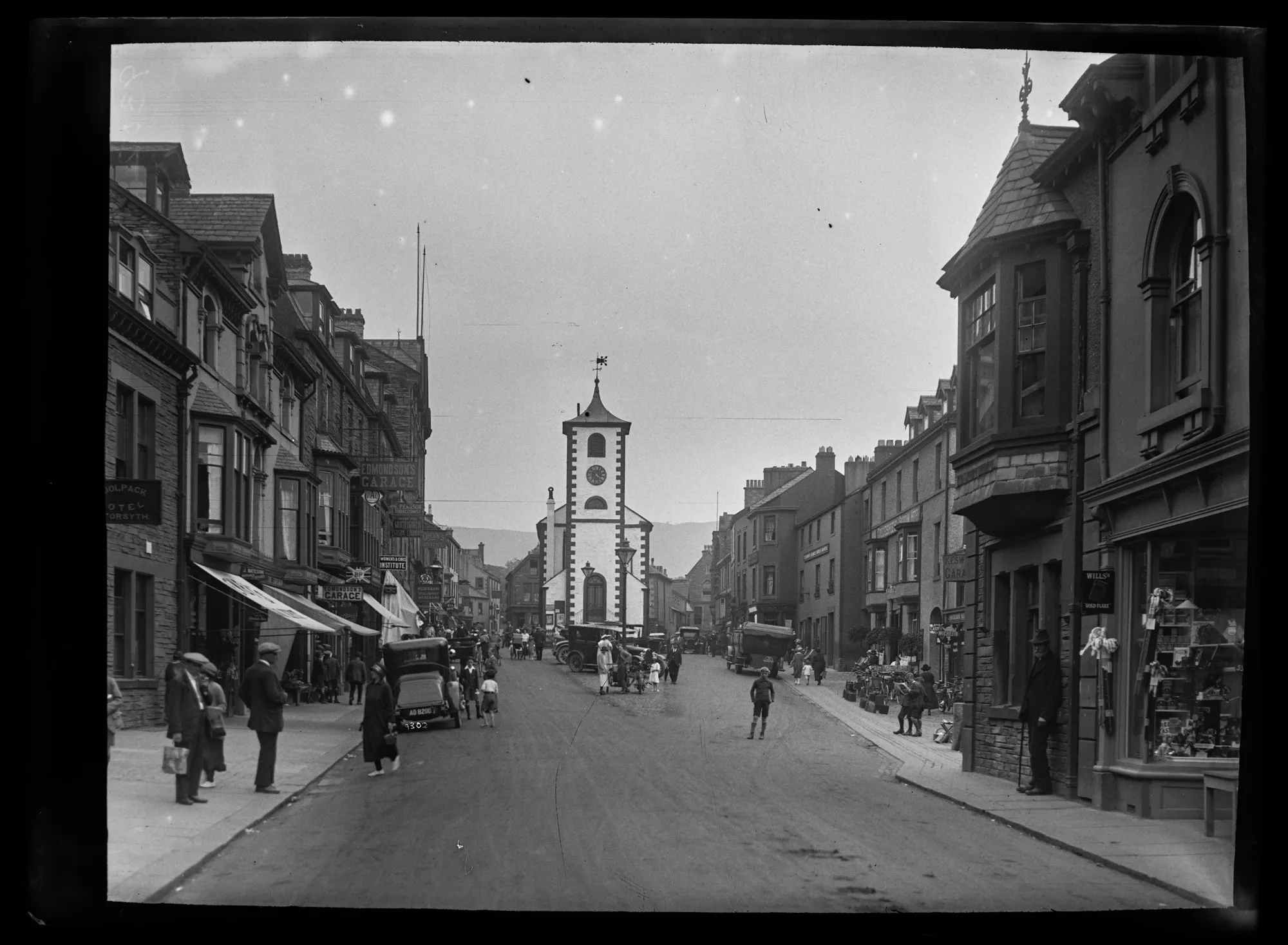
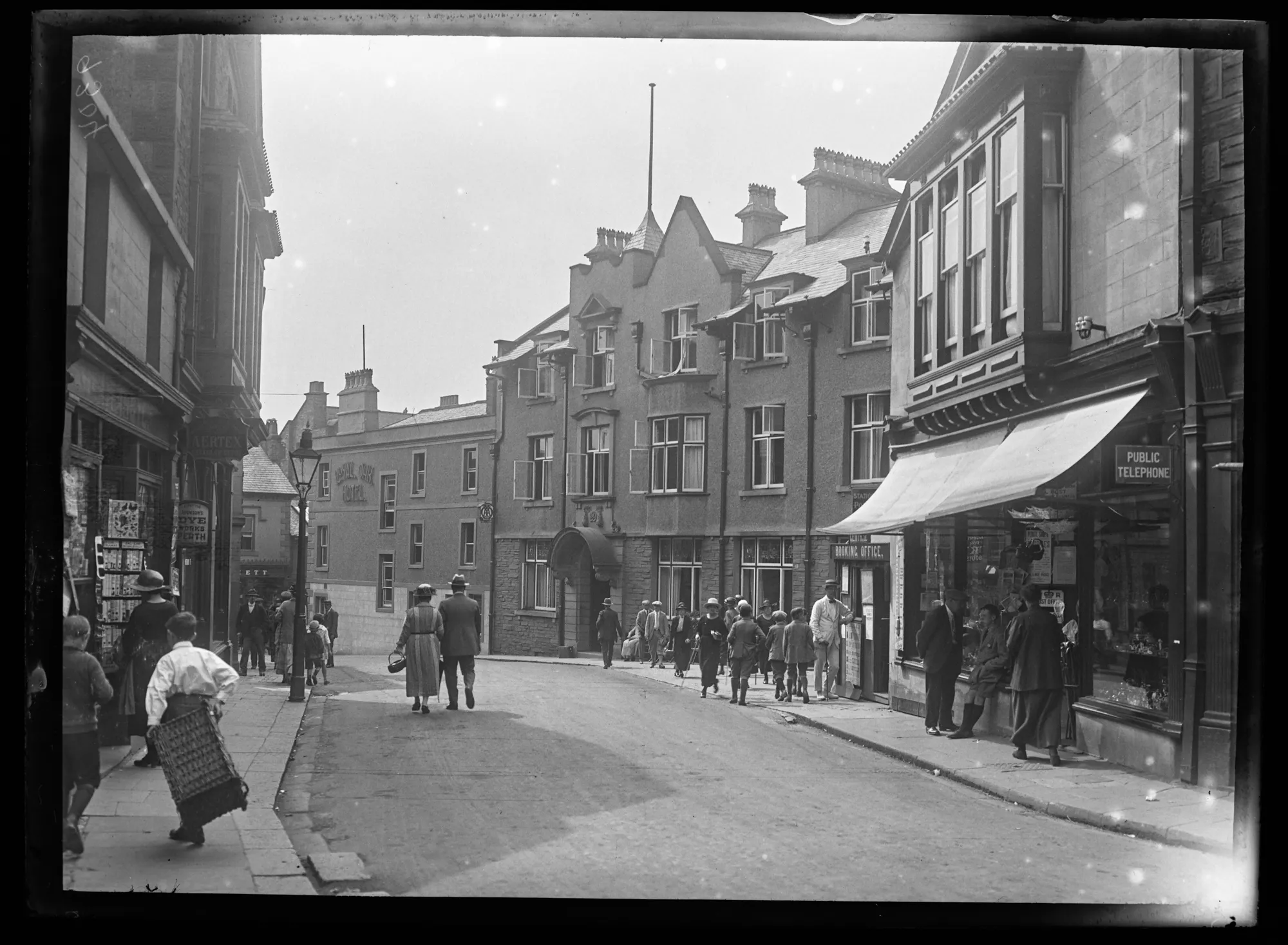
I don’t think that anyone who knows the Sankey Photography Archive can doubt its nostalgic value. The vast collection of photographs within it provides a completely unique and almost supernatural glimpse of our world before now: the ‘good old days’, when time seemed to move more slowly. The days before the friendly local newsagents had been replaced with an online flurry of headlines and fakery. The days when, instead of the biting stench of petrol, you imagine you could smell only the fresh mountain air off the fells and the coffee being made in the local cafe. The days when instead of the swarms of cold-faced commuters, children played in the streets, and men in flatcaps chatted on the doorstep of the bakery while they had a smoke. Imagine that; people actually talking to each other!
The nostalgia that the photographs can induce is obviously the major pull factor to the Archive… What makes it so special is how people local to Cumbria can see their town frozen in the era of their childhood. But if this is the reason that they are so appealing, why is it that I too get the same sort of thrill when flicking through the photos, despite only being born around 40 years after the collection halted?
I believe that the answer to this can be summarised in a word: Fauxstalgia.
Fauxstalgia is a phenomenon that teenagers are especially susceptible to; it not only explains how appealing I find things like the Sankey Archive, but also other strange habits that have been adopted by my generation: the massive collection of CDs I have in my room, for example, despite having spotify at my fingertips. The recent ‘dumb phone’ obsession, which has led more and more young people to favour an old Nokia over an iPhone. Stranger Things comes to mind, a Netflix series set in the 1980s, which has a nostalgic value that has been astonishingly popular with people my age; the world of radios and bicycles seemed so relatable and cozy, that I was genuinely surprised when I found out that the main characters graduated high school the same year my dad did, and that the childhood I had just second-hand experienced was an entire generation away from my own.
It’s strange. I can only describe it as a complicated mixture of deja-vu and delusion; a longing to ‘go back’ to a time that I never experienced.
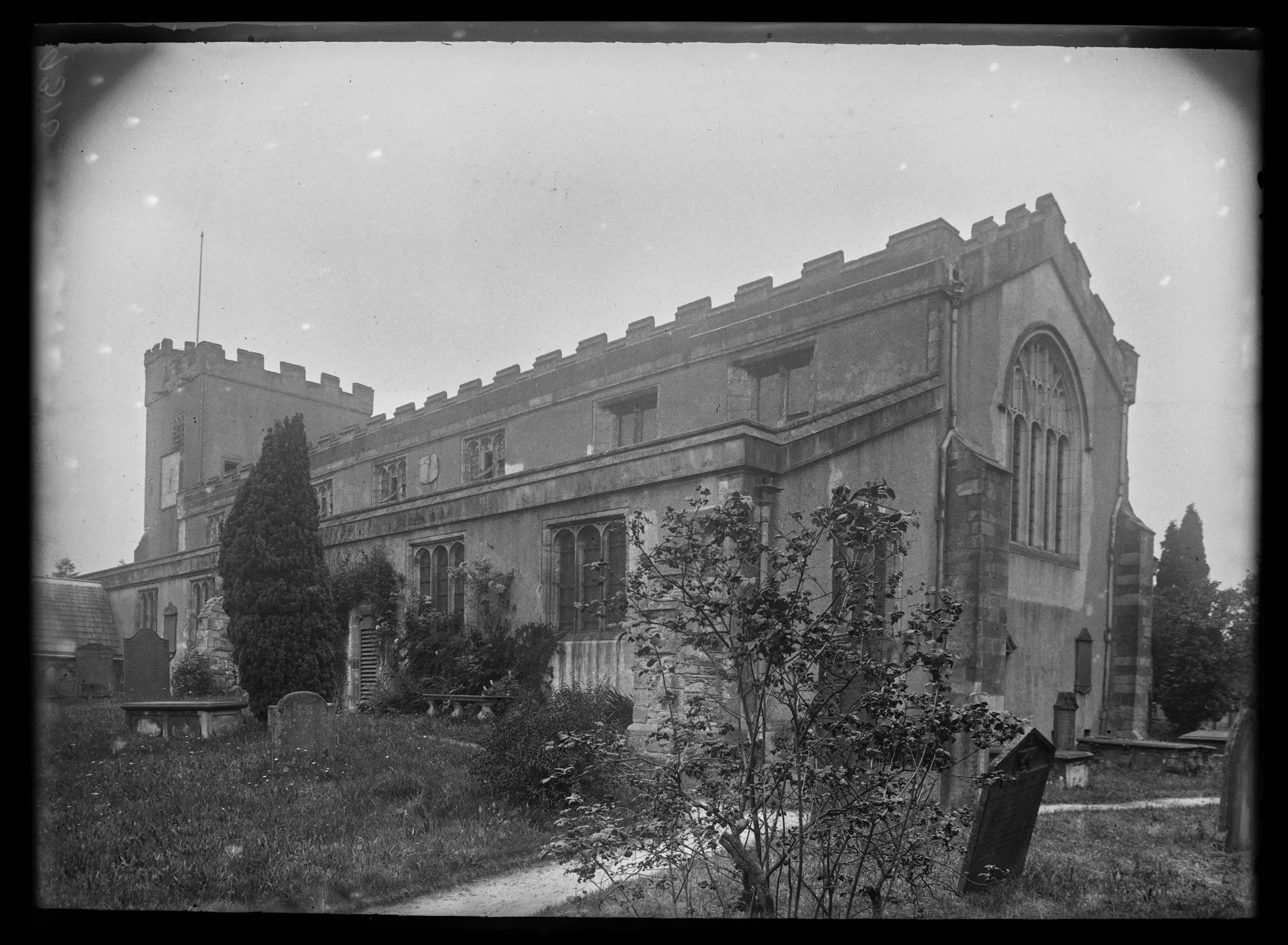
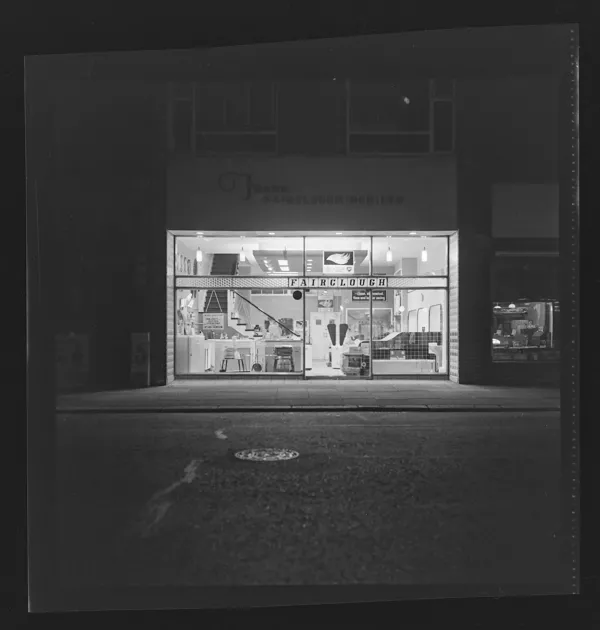
I think that this is what makes the Sankey Photography Archive even more magical to me, and I expect the same goes for other teenagers with an interest in it. With the photos, we are no longer bound by the limits of our own imaginations. I can flick through the black-and-white world of the past, and feel less like an outsider when my parents and grandparents romanticise the ‘good old days’. I can feed the fauxstaligia that provides so much comfort, and think for myself about this era that, without the photographs, would be impossible to properly imagine. I can look at the Keswick collection (Keswick being my home town), and see the tracks and churches around my school that look simultaneously familiar and alien, and have instilled in me a sense of wonder that only the photos can provide.
The Sankey Photography Archive is, conclusively, not by any means restricted to the ‘well-seasoned’ Cumbrians. It provides interest for all ages which I believe is due, at least in part, to the fauxstaligia that makes them so appealing.
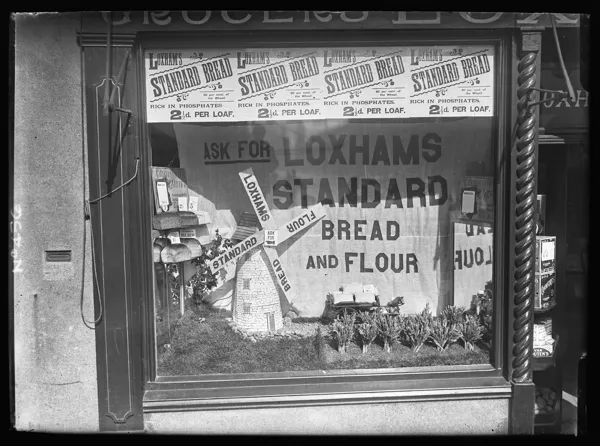
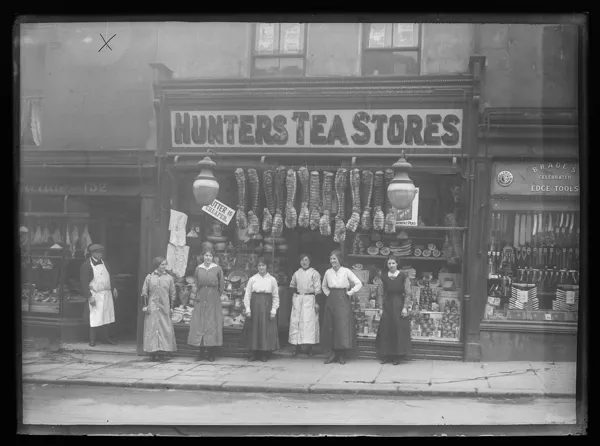


The Sankey Photography Online Archive is a collection of over 10,000 historical photographs taken by Edward and Raymond Sankey in Barrow-in-Furness
The physical archive, now housed at Cumbria Archives, is a stunning collection of glass plate negatives and postcards of Barrow and the north-west, which is believed to be the largest of its kind, documenting Barrow between the years of 1890 and 1970.
The images were catalogued and digitised as part of the Seeing the North with Sankey Project, funded by the National Lottery Heritage fund with the support of a team of volunteers.